


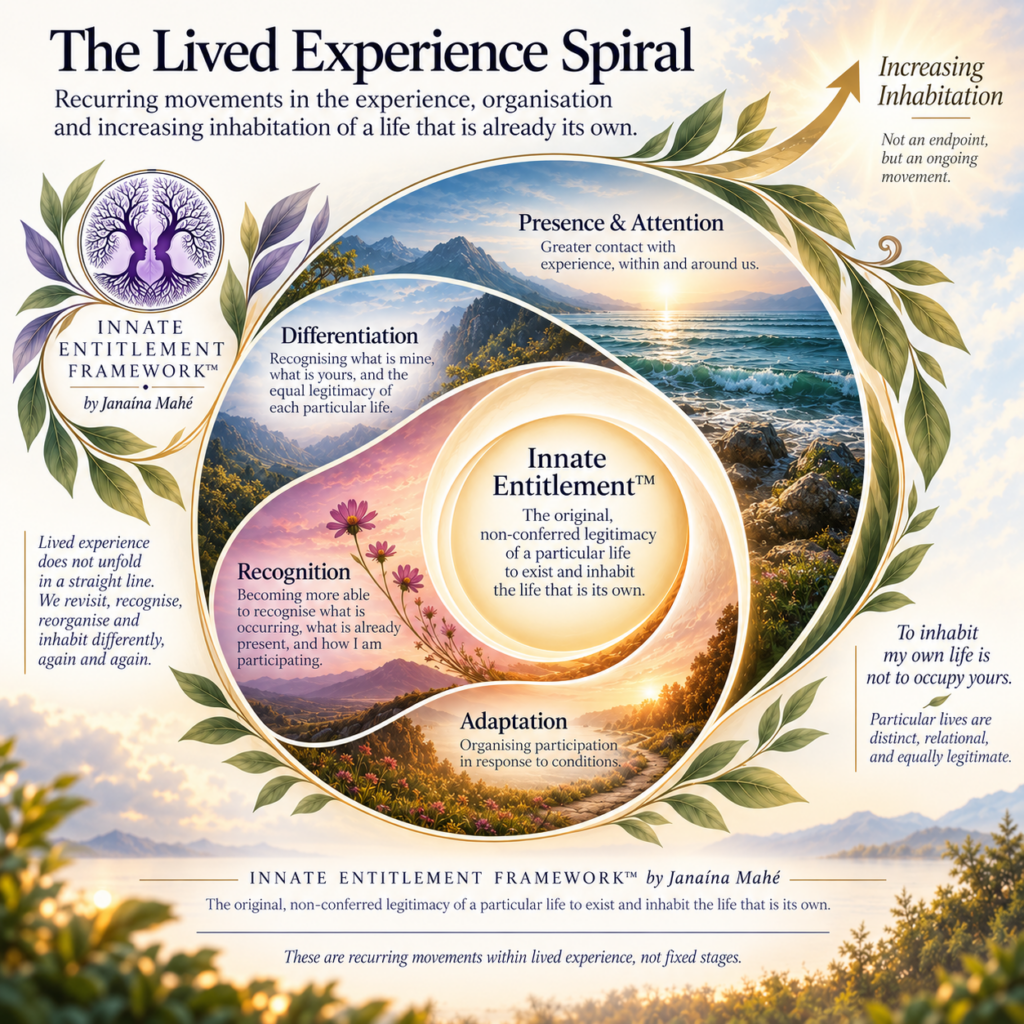
New to the Innate Entitlement Framework™? Begin with Why the Innate Entitlement Framework™ Matters to understand the wider Framework before reading the lived experience from which it emerged. Before the Framework became theory, the questions it explores were already present in a life being lived. The Innate Entitlement Framework™ did not begin with an attempt […]
Tag Archives: Psychotherapy
05
Sep
Sep
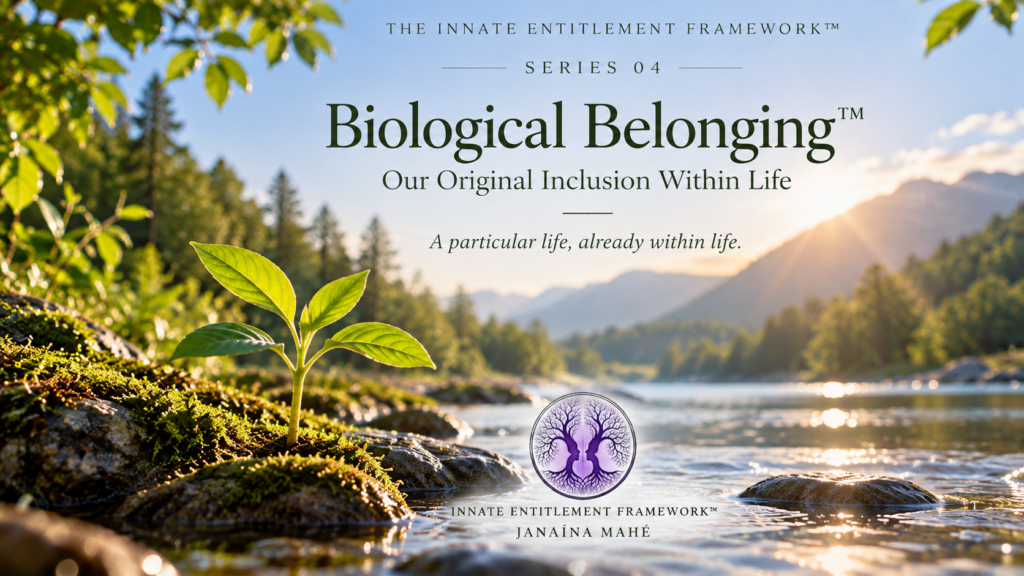
New to the Innate Entitlement Framework™? Begin with Why the Innate Entitlement Framework™ Matters for an introduction to the Framework and its wider architecture. There are many ways in which we come to experience belonging. We can belong within a family, a friendship, a relationship, a community, a culture or a place. We can feel […]
02
Sep
Sep
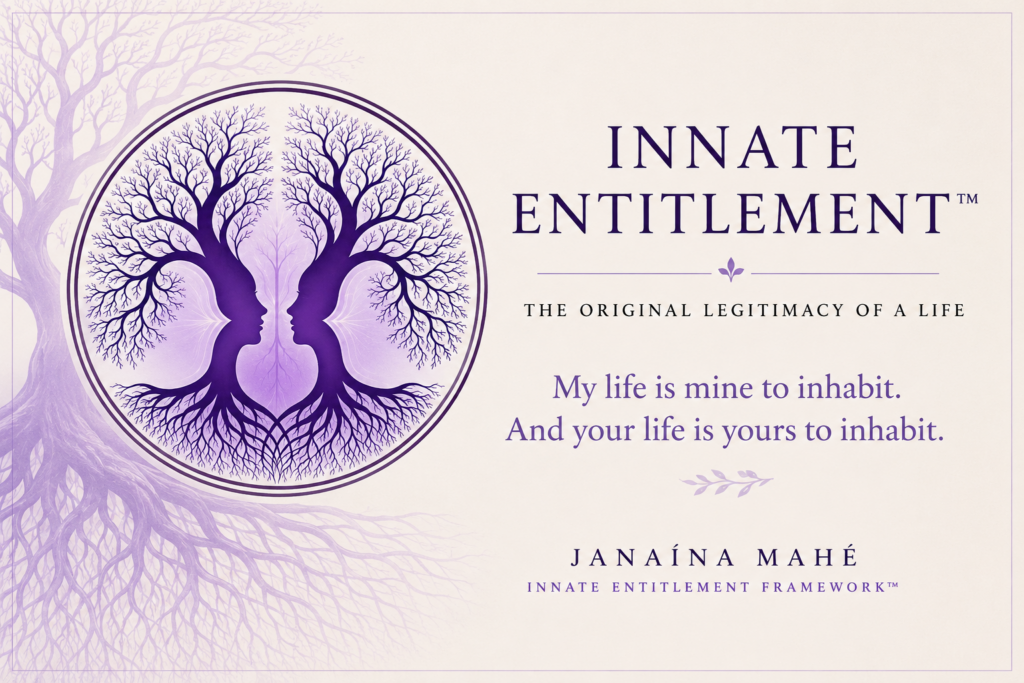
New to the Innate Entitlement Framework™? Begin with Why the Innate Entitlement Framework™ Matters for an introduction to the Framework and its wider architecture. The Symbol of Innate Entitlement™ The emblem of the Innate Entitlement Framework™ holds something of the movement explored in this article. A living form is rooted, particular and continually expanding. Two […]
01
Sep
Sep
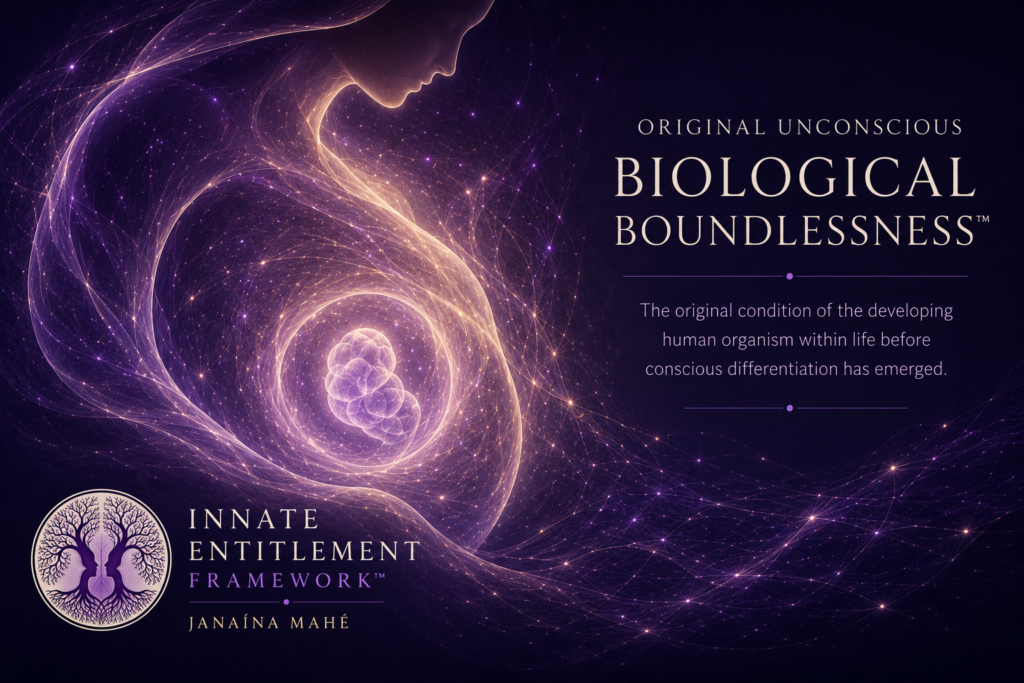
New to the Innate Entitlement Framework™? Begin with Why the Innate Entitlement Framework™ Matters for an introduction to the Framework and its wider architecture. Human development begins within life before conscious differentiation has emerged. There is already a particular developing human organism. Receiving. Responding. Developing. Affecting and being affected by the biological and environmental conditions […]
20
Aug
Aug
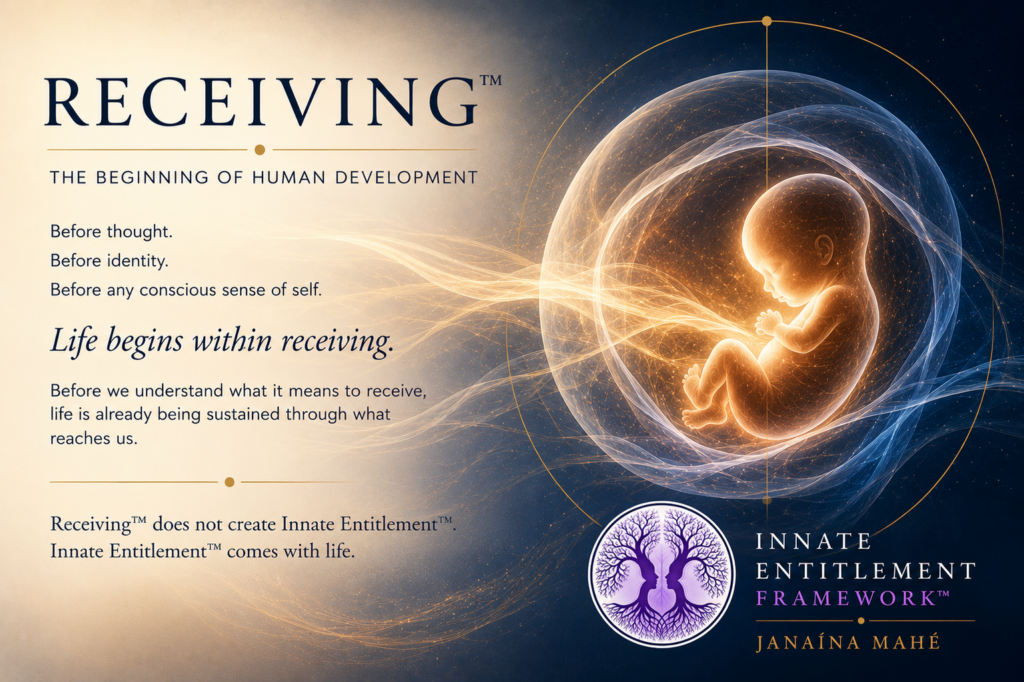
New to the Innate Entitlement Framework™? Begin with Why the Innate Entitlement Framework™ Matters for an introduction to the Framework and its wider architecture. Human development begins before thought. Before identity. Before any conscious sense of self. It begins within receiving. Before we understand what it means to receive, life is already being sustained […]
18
Aug
Aug
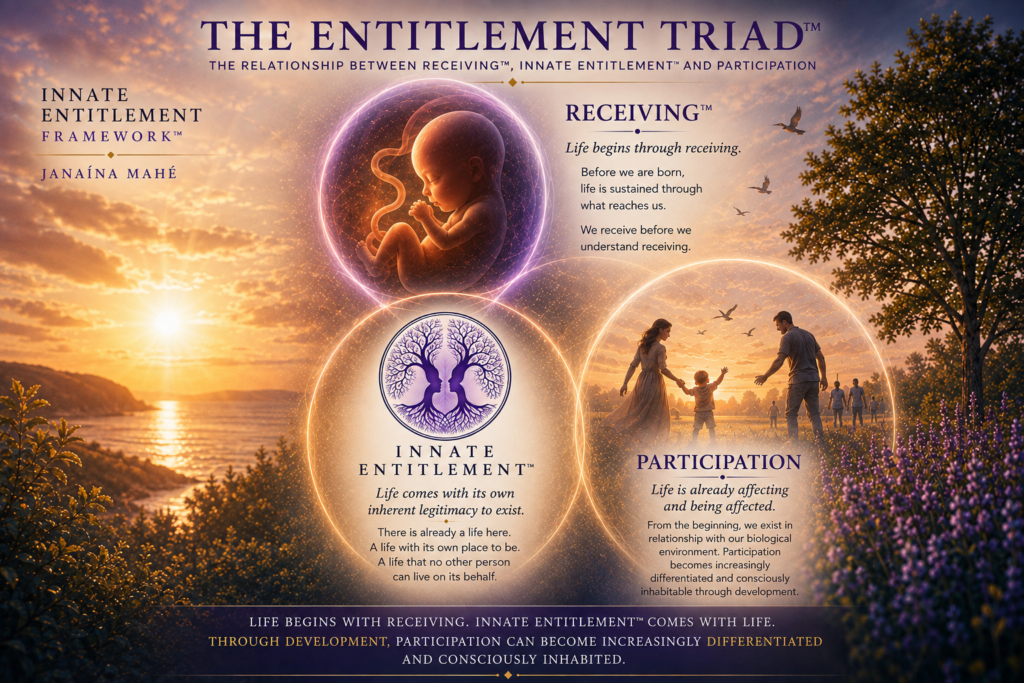
Receiving™, Innate Entitlement™ and Participation New to the Innate Entitlement Framework™? Begin with Why the Innate Entitlement Framework™ Matters for an introduction to the Framework and its wider architecture. Human life does not begin as an isolated individual encountering the world from the outside. From the beginning, life is already taking place within conditions […]
15
Aug
Aug
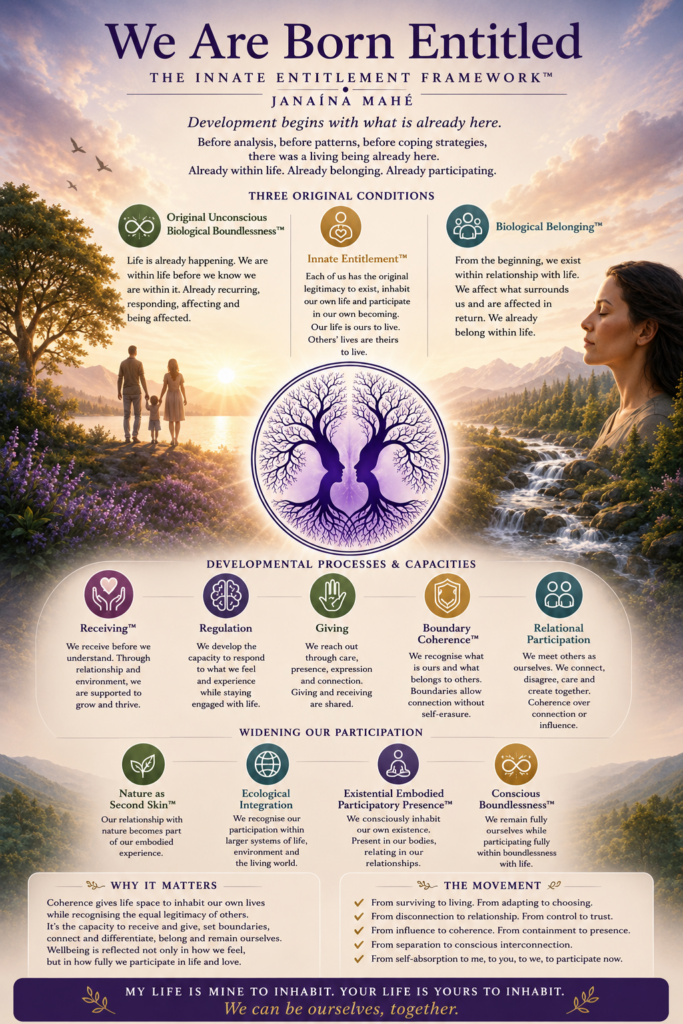
We Are Born Entitled: The Innate Entitlement Framework™ Emotional struggles are often understood through the lenses of trauma, attachment, diagnosis, or patterns of thinking. These perspectives can be deeply valuable. The Innate Entitlement Framework™ begins from a different starting point. It asks: What is already present at the beginning of life, and what conditions support […]