


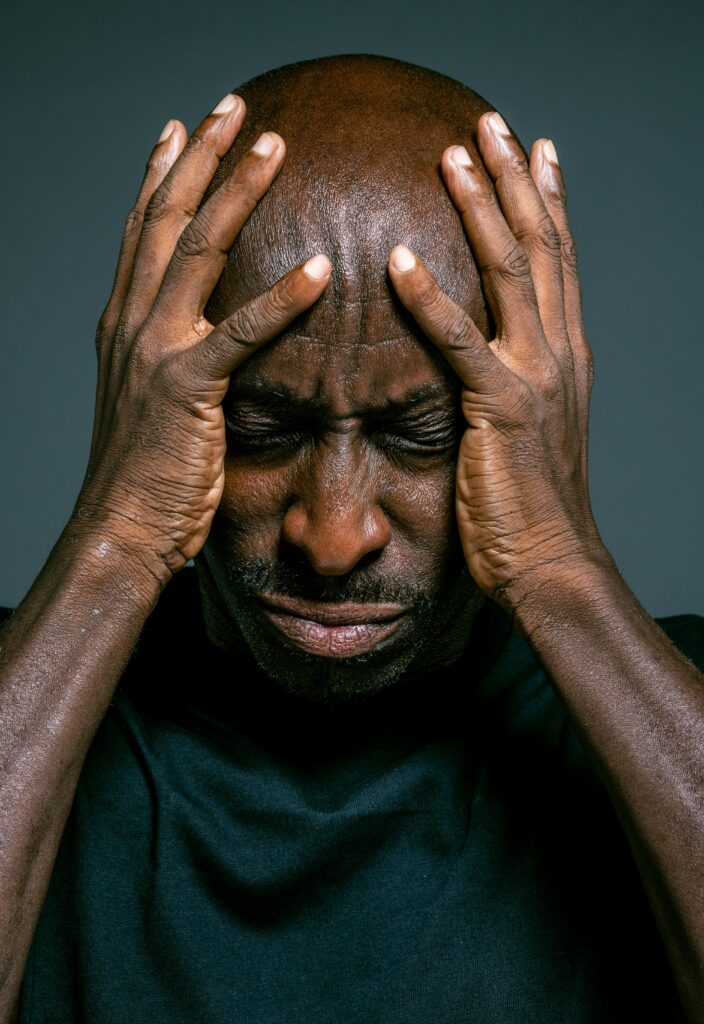
Many people notice periods in their lives when they feel constantly tense, overwhelmed, or emotionally exhausted. They may feel easily triggered, struggle to relax, or find themselves reacting more strongly to situations than they would like.
These experiences can sometimes be connected to what is often called survival mode, when the nervous system remains in a prolonged state of alert in response to stress, emotional strain, or past experiences.
Understanding how survival mode works can help people recognise what is happening in their body and mind and begin moving toward greater emotional regulation and stability.
What Is Survival Mode?
The human nervous system is designed to protect us from danger. When the body perceives threat or overwhelming stress, it activates protective responses commonly known as fight, flight, or freeze.
These responses are natural survival mechanisms that help the body react quickly to danger. However, when stress becomes chronic or when past experiences remain unresolved, the nervous system may stay activated even when there is no immediate threat.
In these situations, the body may continue to behave as if it needs to remain on high alert.
Common Signs Your Nervous System May Be Stuck in Survival Mode
When the nervous system remains in survival mode for long periods, people may experience patterns such as:
• feeling constantly on edge or anxious
• difficulty relaxing or switching off
• emotional overwhelm or irritability
• feeling numb or disconnected from emotions
• difficulty concentrating
• sleep disturbances
• strong emotional reactions to relatively small situations
These responses are not signs of weakness. They are often the nervous system’s way of trying to protect the individual when it perceives stress or threat.
Fight, Flight and Freeze Responses
Survival mode can appear in different ways depending on how the nervous system responds.
Fight responses may involve irritability, anger, or a sense of needing to defend oneself emotionally.
Flight responses often involve restlessness, anxiety, constant activity, or a feeling of needing to escape situations.
Freeze responses can involve emotional shutdown, numbness, difficulty making decisions, or feeling stuck and unable to act.
These responses are natural adaptive strategies that the body uses when it attempts to restore safety.
Understanding Survival Responses Through the Innate Entitlement Framework™
Within the Innate Entitlement Framework™, survival responses can also be understood through the lens of boundary regulation and relational safety.
When relational or emotional stability becomes disrupted, the system may move toward two broad regulatory patterns:
Inflation – where energy moves outward in defensive activation. This can resemble fight responses, emotional reactivity, or attempts to control situations in order to restore safety.
Collapse – where the system withdraws inward in order to protect itself. This may resemble freeze responses, emotional shutdown, or disengagement from relational interaction.
These patterns are not personal failures. They are adaptive responses of the organism attempting to maintain stability when relational or emotional safety has been disrupted.
From this perspective, healing involves restoring boundary coherence, allowing the nervous system to move away from chronic survival patterns and back toward a more regulated state of relational participation in life.
Moving Out of Survival Mode
When people begin to understand their nervous system responses, they often develop greater compassion for themselves. Rather than seeing their reactions as personal flaws, they can recognise them as protective responses that developed over time.
Therapy can help individuals explore these patterns safely and gradually restore emotional regulation, self-awareness, and relational stability.
Over time, many people begin to experience greater calm, clearer thinking, and a deeper sense of connection with themselves and with life.
Trauma Therapy in Swansea
If you feel that your nervous system may be stuck in patterns of chronic stress, anxiety, or emotional shutdown, therapy can help you explore these experiences in a supportive and confidential environment.
If these experiences feel familiar, you can learn more about the support I offer through trauma therapy in Swansea, where counselling focuses on understanding nervous system responses and restoring emotional balance.
If this resonates with you, you may want to explore how your nervous system, early relational experiences, and your deeper relationship with life itself shape these patterns.
→ Why Do I Overthink Everything?
→ Why Trauma Affects Relationships
→ We Are Born Entitled