

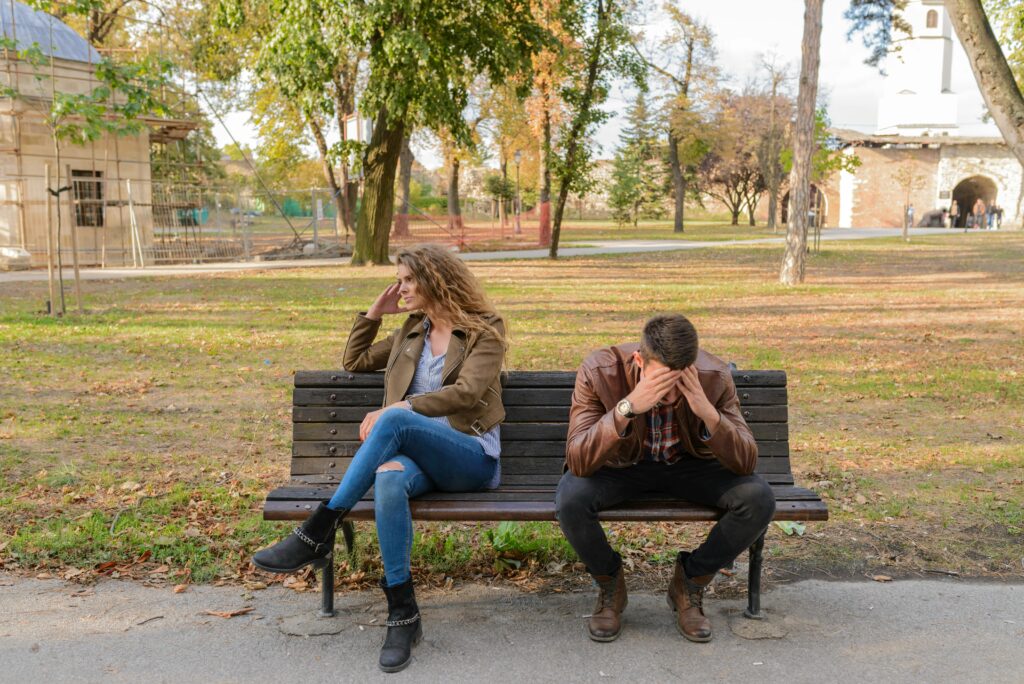
Many people notice that their relationships become one of the places where emotional struggles appear most strongly. They may find themselves reacting more intensely than they expect, feeling easily hurt, withdrawing from closeness, or struggling to trust their partner.
These patterns can be confusing. Someone might think, “Why do I react like this?” or “Why do the same problems keep appearing in my relationships?”
In many cases, these experiences are connected to how past emotional experiences continue to influence the nervous system and relational patterns in the present.
Understanding how trauma can affect relationships is often an important step toward developing healthier, more supportive connections with others.
How Trauma Shapes Emotional Responses
Trauma does not only exist in memory. It can influence how the nervous system responds to emotional situations, especially those that involve closeness, vulnerability, or conflict.
When someone has experienced overwhelming emotional situations in the past, the nervous system may become more sensitive to perceived threat or rejection.
As a result, situations that involve emotional closeness can sometimes activate protective responses, even when the current relationship is safe.
These responses may appear as:
• strong emotional reactions during disagreements
• difficulty trusting others fully
• fear of abandonment or rejection
• withdrawing emotionally during conflict
• feeling overwhelmed by closeness or vulnerability
These reactions are often not intentional. They are protective patterns the nervous system developed in response to earlier experiences.
Fight, Flight and Freeze in Relationships
The same survival responses that help protect us in dangerous situations can also appear within relationships.
For example:
Fight responses may appear as defensiveness, anger, or intense reactions during conflict.
Flight responses may involve emotional distancing, avoiding difficult conversations, or withdrawing from intimacy.
Freeze responses can appear as emotional shutdown, difficulty expressing feelings, or feeling stuck and unable to respond during conflict.
When these patterns repeat, couples can find themselves caught in cycles where both people feel misunderstood or disconnected.
Understanding Relationship Patterns Through the Innate Entitlement Framework™
Within the Innate Entitlement Framework™, relational difficulties can also be understood through patterns of boundary regulation and relational safety.
When emotional safety or belonging becomes disrupted, the relational system may move toward two protective patterns:
Inflation, where emotional energy moves outward in defensive activation. This may appear as strong emotional reactions, defensiveness, or attempts to control situations in order to restore stability.
Collapse, where the system withdraws in order to protect itself. This may appear as emotional shutdown, withdrawal, or difficulty engaging in relational interaction.
These patterns are not personal failures. They are adaptive responses developed by the organism when relational safety has been disrupted.
From this perspective, healing involves restoring boundary coherence, allowing individuals to move away from defensive relational patterns and toward more regulated and supportive relational exchange.
Rebuilding Safety and Connection
When people begin to understand the deeper patterns influencing their relationships, it often becomes easier to approach difficulties with compassion rather than blame.
Instead of seeing conflict as evidence that the relationship is failing, partners can begin to recognise the protective patterns that may be operating beneath the surface.
With support, many couples learn to:
• recognise emotional triggers
• communicate more safely during conflict
• rebuild trust and emotional safety
• develop healthier relational boundaries
• reconnect with empathy and understanding
Over time, this can transform relational patterns and create a stronger foundation for connection.
Relationship and Trauma Support in Swansea
If trauma patterns are affecting your relationships, counselling can provide a supportive space to explore these experiences safely.
You can learn more about the support available through https://esperansa-therapy-swansea.co.uk/couple-counselling/ or through trauma therapy in Swansea, where counselling focuses on helping individuals understand relational patterns, nervous system responses, and emotional regulation.
Therapy can help partners move away from defensive cycles and toward a more secure and supportive relationship with themselves and with each other.